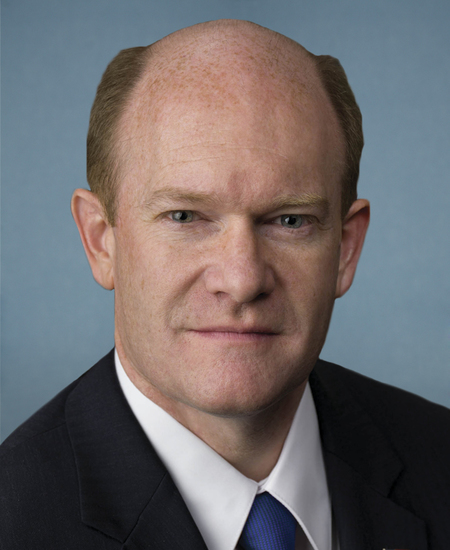
Legislative bill overview
S 4049 seeks to repeal Section 122 of the Trade Act of 1974, which grants the President authority to impose import restrictions or other trade measures when the U.S. experiences balance-of-payments deficits. This provision has historically allowed executive action to protect domestic industries during periods of trade imbalance without requiring Congressional approval.
Why is this important
Section 122 represents a significant delegation of trade authority to the President, potentially allowing unilateral action that affects international trade relationships and domestic prices. Repealing it would reassert Congressional control over trade policy and limit executive flexibility in responding to trade deficits, with implications for how future administrations manage trade disputes and economic challenges.
Potential points of contention
- Executive power vs. Congressional authority: Whether the President needs such broad unilateral trade authority for economic emergencies, or whether Congress should maintain tighter control over trade policy decisions
- Trade deficit response mechanisms: Disagreement over whether eliminating this tool removes a useful policy option for addressing persistent trade imbalances or whether it prevents protectionist overreach
- International relations impact: Concerns about whether repealing this authority constrains U.S. negotiating flexibility with trading partners or conversely reduces unpredictability that harms allied relationships