Legislative Summary — S. 86 (2025)
Overview
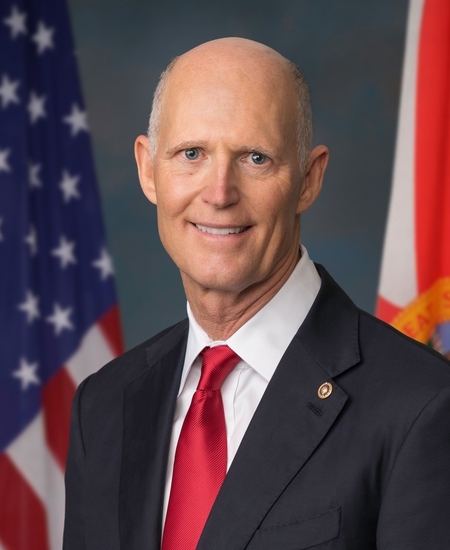
S. 86 is a Senate bill introduced on January 14, 2025, with the primary aim of repealing the provision that automates pay adjustments for Members of Congress. The sponsor is Senator Rick Scott. The bill is currently introduced in the Senate and has been read twice and referred to the Committee on Homeland Security and Governmental Affairs. A companion bill exists in the House (HR 358).
Purpose and Intent
- Eliminate automatic pay adjustments for Members of Congress, removing a mechanism thatSchedule salary increases without separate authorization.
- Reorganize the structure of the relevant statutory provisions to reflect the repeal while preserving the remainder of the section’s framework.
Key Provisions
- Repeal of automatic adjustment: Paragraph (2) of section 601(a) of the Legislative Reorganization Act of 1946 (2 U.S.C. 4501) is repealed.
- Amendments to section 601(a):
- (a)(1) is struck and replaced with a new (a).
- Subparagraphs (A), (B), and (C) are redesignated as paragraphs (1), (2), and (3), respectively.
- Provisions describing adjustments are struck and replaced to reflect “adjusted as provided by law.”
- Effective date: The section and the amendments take effect on the date on which the 120th Congress convenes.
Effective Date and Timeline
- Effective date tied to the convening of the 120th Congress (per the bill’s text). This would align the repeal with the start of that Congress, effectively delaying the repeal’s practical impact until then.
- Introduced: January 14, 2025
- Status: Read twice and referred to the Committee on Homeland Security and Governmental Affairs
Legislative Actions and Status
- 2025-01-14: Read twice and referred to the Committee on Homeland Security and Governmental Affairs
- 2025-01-14: Introduced in Senate
Sponsors and Related Measures
- Primary sponsor: Senator Rick Scott
- Related Bill: HR 358 (companion measure in the House)
Who Is Affected
- Members of Congress and congressional staff involved in salary and pay-adjustment processes.
- The broader budget and payroll framework for the legislative branch would be influenced by the absence of automatic pay adjustments, requiring any future pay changes to be enacted through separate, targeted legislative action.
Potential Impact
- Repeal of automatic increases could reduce automatic changes in congressional compensation, shifting to a framework where any pay adjustments require explicit legislative action.
- The repeal may influence public perceptions of legislative pay policy and budget planning for the legislative branch.
- The procedural shift means future pay raises would be contingent on separate bills or resolutions, potentially increasing scrutiny and debate around congressional compensation.
If you’d like, I can add a short comparison to how automatic adjustments work today and how this repeal would change that process.