Legislative Summary: S.Res. 292
Designation of World Sickle Cell Awareness Day
Overview
S.Res. 292 is a Senate resolution expressing formal support for the designation of June 19, 2025, as "World Sickle Cell Awareness Day." The primary intent of this resolution is to elevate public awareness within the United States and the global community regarding Sickle Cell Disease (SCD), emphasize the need for increased empirical research, and advocate for equitable access to screenings, preventative care, and curative treatments.
Purpose and Intent
Sickle Cell Disease is a hereditary blood disorder that disproportionately affects individuals of African, Hispanic, and Mediterranean descent. The resolution aims to:
* Increase Visibility: Highlight the severity of SCD and the "sickle cell trait" (SCT), noting that many individuals are unaware they carry the gene.
* Combat Health Disparities: Address the high mortality rates in resource-poor regions (where up to 90% of children with SCD may not reach adulthood) and the systemic bias faced by affected populations in healthcare systems.
* Promote Innovation: Drive the development of novel therapeutics and the implementation of newborn screening programs to ensure early detection and intervention.
Key Provisions
The resolution outlines several specific goals and recommendations for the U.S. government:
1. Policy and Global Action
- Department of Health and Human Services (HHS): Calls on the HHS to develop global policy solutions and partner with local governments to provide resources for newborn screenings and therapeutic interventions.
- Interagency Coordination: Encourages the President to establish a Sickle Cell Disease Interagency Group consisting of the HHS, Department of Veterans Affairs, NIH, FDA, and CMS to coordinate policies for equitable therapy access.
2. Improving Access to Care
- Removing Barriers: Supports the elimination of barriers to innovative therapies—including cell, gene, and gene-editing treatments—within the Medicare and Medicaid systems to protect vulnerable patients.
- Addressing Bias: Urges the proposed interagency group to address the healthcare biases that specifically impact the demographics most affected by SCD.
3. Public Engagement
- Community Activity: Encourages citizens and international bodies to hold events and programs on June 19 to educate the public on SCD traits and patient services.
Who is Affected?
- Patients and Families: Individuals living with SCD or SCT, particularly those in marginalized economic or ethnic groups, may see improved advocacy for their care and treatment.
- Healthcare Providers: An emphasis on early detection (newborn screening) and the adoption of new FDA-approved gene therapies.
- Government Agencies: The HHS and other federal health bodies are called upon to shift from domestic focus to a more comprehensive global health strategy.
Procedural Status
- Introduced: June 18, 2025.
- Current Status: Referred to the Committee on Foreign Relations.
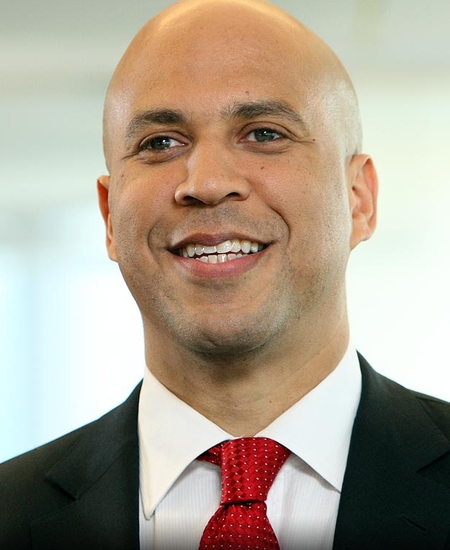
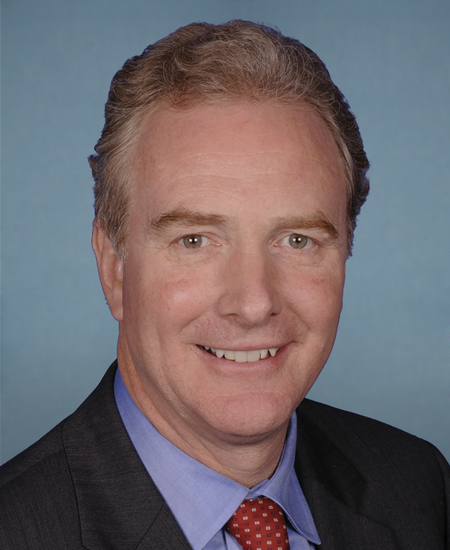
- Sponsorship: Co-sponsored by Senators Chris Van Hollen, Angela Alsobrooks, and Cory Booker.



Start the Conversation
Be the first to share your thoughts on this petition. Your voice matters!