
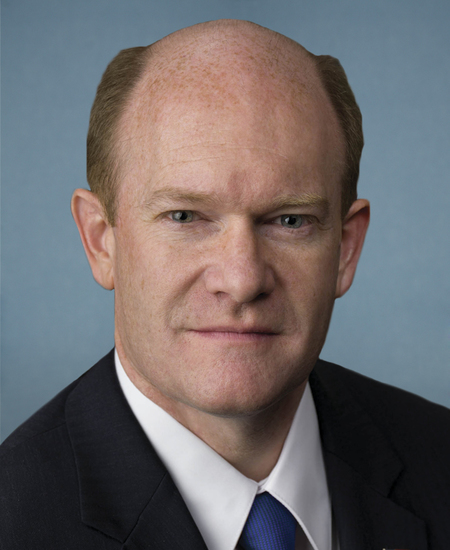
BILL • US SENATE
Pro Codes Act of 2026
119th Congress
Bill mandates free, searchable online access to any standard incorporated into law, preserving copyright for printed copies.
Introduced in Senate
BILL • US SENATE
Bill mandates free, searchable online access to any standard incorporated into law, preserving copyright for printed copies.
(Short Title: “Protecting and Enhancing Public Access to Codes Act of 2026” or “Pro Codes Act of 2026”)
The bill seeks to reinforce the public’s right to read technical and voluntary consensus standards that are incorporated by reference into federal, state, or local laws and regulations. It balances that right against the need for standards‑development organizations to maintain copyright protection and revenue streams.
| Section | What it Does | Why It Matters |
|---|---|---|
| § 1 – Short Title | Provides the two possible official citations. | Clarifies how the Act will be referenced in future statutes. |
| § 2 – Findings | Summarizes Congress’s rationale: benefits of voluntary consensus standards, their cost‑free value, and the need for public access. | Establishes the legislative context and supports the Act’s intent. |
| § 3a – Definitions | Adds precise meanings for: • Circular A‑119 (OMB guidance), • incorporated by reference, • publicly accessible online, • standard (technical or voluntary consensus), • standards‑development organization. | Eliminates ambiguity about which documents and entities the Act targets. |
| § 3b – Standards Incorporated by Reference | • A standard that is incorporated by reference remains under copyright protection even if not copied into law.• After notice that a standard has been incorporated by reference, the standards‑development organization must, within a reasonable period, make all portions publicly accessible online at no monetary cost, and in a searchable format (table of contents, index, etc.). • The requirement does not affect the standard’s copyright status. | Guarantees that the public can read the current, accurate version of the standard without paying, while preserving the organization’s ability to charge for printed copies. |
| § 3c – Burden of Proof | If a party claims a standards‑development organization failed to comply, that party must prove the non‑compliance; the burden does not shift to the organization. | Protects organizations from unfounded legal challenges and encourages swift compliance. |
| § 3b(iii) – “Publicly Accessible Online” | Only requires that no monetary cost or collection of personal data be imposed, and that the site meets Section 508 accessibility standards. | Allows for accounts or terms of service, provided they do not create cost or privacy barriers. |
| § 3b(IV) – Table of Sections | Adds the new section to § 123 of Title 17. | Codifies the requirement into U.S. copyright law. |
| Stakeholder | Impact |
|---|---|
| Standards‑Development Organizations (e.g., ANSI, ASTM) | Must provide free, searchable online copies of standards after incorporation by reference; must maintain copyright protection and revenue from printed or subscription copies. |
| Federal Agencies | Clarifies the standards they can incorporate; must provide required access if a standard is incorporated. |
| State, Local, Municipal Governments | Must comply with the same online‑access requirement when incorporating standards into statutes or regulations. |
| Industry & Professionals | Can access up‑to‑date standards at no cost, aiding compliance and innovation. |
| General Public | Gains direct, no‑cost access to standards that influence regulations affecting their safety and commerce. |
— Companion Bills: HR 4072 & HR 4009 (House).
— Next Steps: Committee mark‑up, hearing, and vote; potential amendments from either chamber.
| Area | Effect |
|---|---|
| Transparency | Public can review standards that directly shape regulations, fostering accountability. |
| Innovation & Commerce | Easier access to standards may reduce development costs for manufacturers and service providers. |
| Legal & Copyright | Maintains copyright protection for incorporated standards while providing a clear compliance path for disclosure. |
| Administrative Burden | Standards organizations must set up or upgrade online repositories; agencies must update records documenting incorporation‑by‑reference events. |
| Accessibility | Enforcement of 508 compliance ensures that federal disability‑access requirements extend to standards content. |
The Pro Codes Act of 2026 formalizes a requirement that any standard incorporated into U.S. law or regulation must be freely viewable online in an accessible format. It protects the intellectual‑property rights of standards‑development organizations while enhancing public access to the technical specifications that underpin federal, state, and local governance. The bill is currently under committee consideration in a joint effort to improve transparency and accountability in the standards‑development process.
Hi! I'm your AI assistant for S 4145. I can help you understand its provisions, impacts, and answer any questions.

We're glad to see you!
New to WeVote? Claim your Voter Profile now!
Are you an elected rep? Claim account
Join thousands of verified voters to weigh in.
Already have an account? Log in
Are you an elected rep? Claim account
No worries! Enter your email and we'll send you reset instructions.
Remember your password? Back to Login
Your email address has not been confirmed yet. Please check your inbox or request a new confirmation link below.
Didn't receive the email?
Already confirmed? Back to Login
You need to take action to continue.
You're currently in
Joining this room will disconnect you from the current one.
The meeting has ended.