Bill Summary: Stop Mental Health Stigma in Our Communities Act of 2025
Bill Number: S. 1689
Session: 119th Congress
Introduced: May 8, 2025
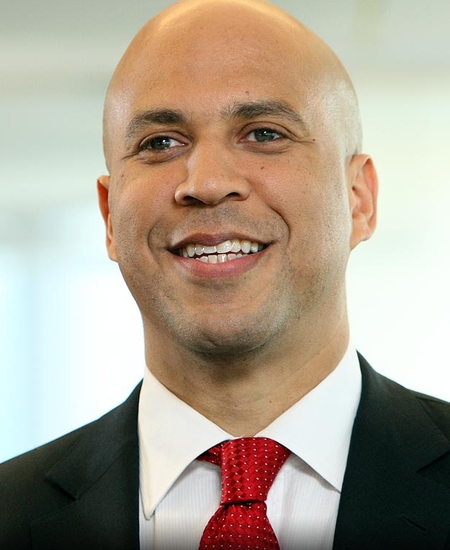
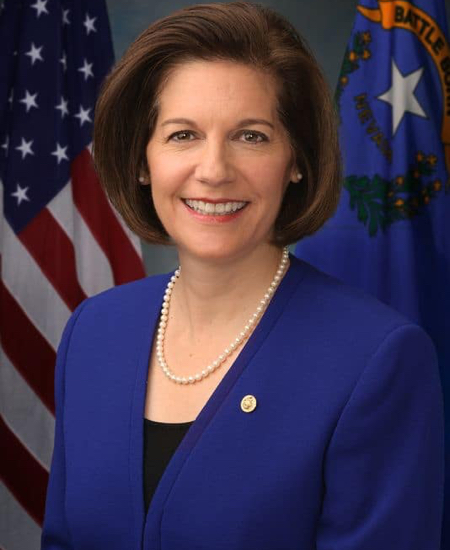
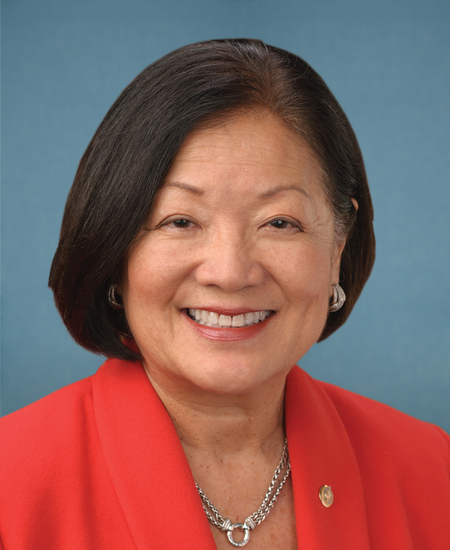
Sponsors: Senator Mazie Hirono (Lead), Senator Catherine Cortez Masto, and Senator Cory Booker
Overview
The Stop Mental Health Stigma in Our Communities Act of 2025 is designed to improve behavioral health outcomes for Asian American, Native Hawaiian, and Pacific Islander (AANHPI) populations. The bill seeks to address significant disparities in mental health service utilization, combat the cultural stigma associated with seeking treatment, and increase the availability of culturally and linguistically appropriate care.
Main Purpose and Intent
The legislation acknowledges that despite being one of the fastest-growing populations in the U.S., the AANHPI community faces systemic barriers to mental health care. Specifically, the bill highlights a critical crisis among AANHPI youth—noting that suicide is the leading cause of death for this specific age group (10–24 years)—and aims to rectify the lack of disaggregated data that often obscures the unique needs of various ethnicities within the AANHPI spectrum.
Key Provisions
1. National Outreach and Education Strategy
The Secretary of Health and Human Services (HHS) is mandated to develop a national strategy to promote behavioral health and reduce stigma. This strategy must:
* Be culturally and linguistically tailored to the diverse needs of various AANHPI subgroups.
* Provide age-appropriate information and awareness of symptoms common within these communities.
* Focus on a holistic public health approach, linking behavioral health with physical health.
* Be developed in consultation with community members and advocacy organizations.
2. Systematic Review of AANHPI Youth
The bill requires a comprehensive study on behavioral health among AANHPI youth, including:
* Analysis of prevalence, risk factors, and root causes of mental health challenges and substance misuse.
* Tracking rates of suicide and nonfatal overdoses.
* Identifying specific barriers to accessing recovery and treatment services.
3. Behavioral Health Workforce Expansion
To ensure patients are treated by providers who understand their cultural context, the bill mandates a review of the AANHPI behavioral health workforce to:
* Quantify the number of AANHPI licensed professionals (social workers, psychologists, psychiatrists, etc.).
* Identify barriers that prevent AANHPI individuals from entering behavioral health education and training programs.
* Recommend actions to increase the representation of AANHPI providers in the healthcare system.
Who is Affected?
- AANHPI Communities: Specifically youth and those facing language barriers or cultural stigma.
- Healthcare Providers: Behavioral health professionals and educators.
- Federal Agencies: HHS, NIH, CDC, and the Office of Minority Health, who will be responsible for implementing the research and outreach strategies.
Timeline and Funding
Funding Allocations
- Outreach Strategy: $3,000,000 authorized annually for fiscal years 2026 through 2030.
- Youth Systematic Review: $1,500,000 authorized for fiscal year 2026.
- Workforce Systematic Review: $1,500,000 authorized for fiscal year 2026.
Reporting Requirements
- Annual Reports: The Secretary must submit a report to Congress every year on the impact of the national outreach strategy.
- One-Year Deadlines: Reports on the youth behavioral health review and the workforce review must be submitted to the relevant House and Senate committees within one year of the bill's enactment.



Start the Conversation
Be the first to share your thoughts on this petition. Your voice matters!