Legislative bill overview
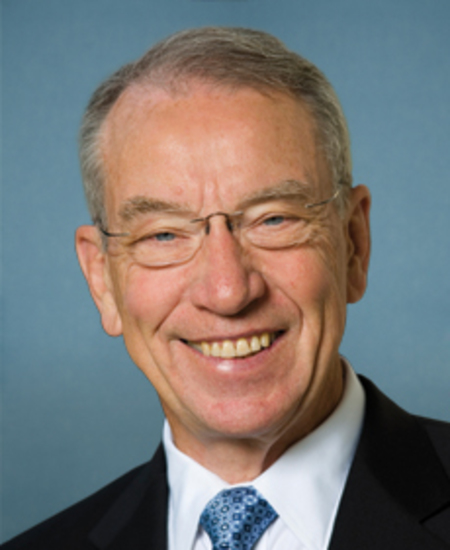
S 4100 amends federal law to clarify and strengthen whistleblower protections for federal employees who disclose information about workplace misconduct, inefficiency, or illegality. The bill, sponsored by Senators Grassley and Wyden—both longtime whistleblower advocates—aims to remove ambiguities in existing protections under Title 5 of the U.S. Code that have historically created legal uncertainty for federal workers.
Why is this important
Federal whistleblowers serve as critical internal checks on government waste, fraud, and abuse, but many have faced retaliation despite existing protections. Clarifying these legal protections can encourage more employees to report problems internally and to the public, potentially improving government accountability and preventing harm to citizens. The current legal framework has generated inconsistent court rulings, leaving whistleblowers vulnerable to termination or harassment even when attempting to follow proper procedures.
Potential points of contention
- Definition scope: Disagreement over what constitutes protected "duty speech" versus unprotected partisan speech or operational criticism could determine who qualifies for protection
- Agency autonomy vs. oversight: Agencies may argue that strong whistleblower protections interfere with management's ability to maintain workplace discipline and operational control
- Burden of proof: Whether whistleblowers or agencies bear the burden of proving retaliation occurred, which affects both worker security and agency efficiency