Summary of HR 5061: Counter-UAS Authority Security, Safety, and Reauthorization Act
Overview
The Counter-UAS Authority Security, Safety, and Reauthorization Act (HR 5061) aims to enhance the security and safety measures against unmanned aircraft systems (UAS), commonly known as drones. Introduced on August 29, 2025, the bill seeks to provide federal authorities with the necessary tools and authority to protect critical infrastructure and ensure public safety in the face of increasing drone usage.
Key Provisions
The bill includes several significant provisions designed to bolster counter-UAS efforts:
Definitions: Establishes clear definitions related to unmanned aircraft systems and their operational parameters.
Protection of Facilities: Authorizes measures to protect certain facilities and assets from unauthorized drone activities.
FAA Counter-UAS Activities: Outlines the Federal Aviation Administration's (FAA) responsibilities in countering UAS threats.
Detection and Monitoring: Grants additional limited authority for the detection, identification, monitoring, and tracking of drones.
Pilot Program: Introduces a counter-UAS mitigation law enforcement pilot program to test and evaluate effective strategies.
Airport Planning and Deployment: Mandates the planning and deployment of counter-UAS systems at airports to enhance security.
Enforcement Authority: Provides law enforcement with the authority to enforce UAS detection and mitigation measures.
Reporting Requirements: Establishes requirements for reporting on counter-UAS activities to ensure transparency and accountability.
Drone Safety Statement Modernization: Aims to modernize the drone safety statements to reflect current technologies and practices.
Applicability: Clarifies the applicability of the provisions to various stakeholders involved in UAS operations.
Impact
The enactment of HR 5061 is expected to have a broad impact on various sectors, including:
Federal Agencies: Enhances the operational capabilities of the FAA and law enforcement agencies in managing drone-related threats.
Critical Infrastructure: Provides protections for sensitive facilities such as airports, government buildings, and public events.
Public Safety: Aims to reduce risks associated with unauthorized drone operations, thereby improving safety for the general public.
Legislative Process
Subcommittee Actions: The bill was referred to the Committee on Transportation and Infrastructure and subsequently to the Subcommittee on Aviation on the same day it was introduced.
Committee Consideration: On September 3, 2025, the bill was ordered to be reported (amended) by a unanimous vote of 60 - 0 and the subcommittee was discharged.
Sponsors
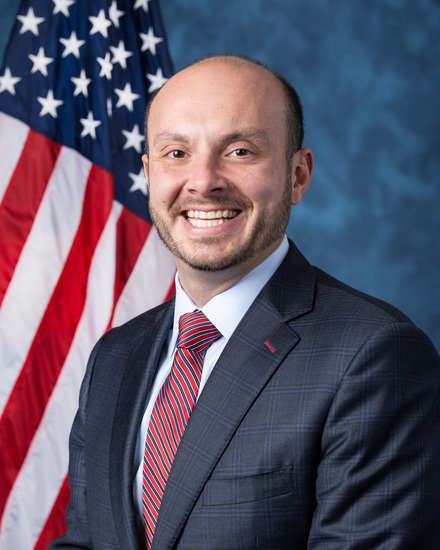
The bill is sponsored by Andrew R. Garbarino and co-sponsored by:
- Jamie Raskin
- Sam Graves
- Rick Larsen
- Bennie G. Thompson
Conclusion
HR 5061 represents a proactive approach to addressing the challenges posed by unmanned aircraft systems. By enhancing the authority and capabilities of federal agencies, the bill aims to safeguard critical infrastructure and ensure public safety in an increasingly drone-populated airspace.